Kitchen Cabinet Installation in Nanaimo: Timeline, Permits, and Preparation
26 November, 2025
Top 10 Mistakes to Avoid During a Vancouver Island Kitchen Renovation
30 November, 2025
How to Measure Your Kitchen for New Cabinets: A Printable Checklist
Why Accurate Kitchen Measurements Matter
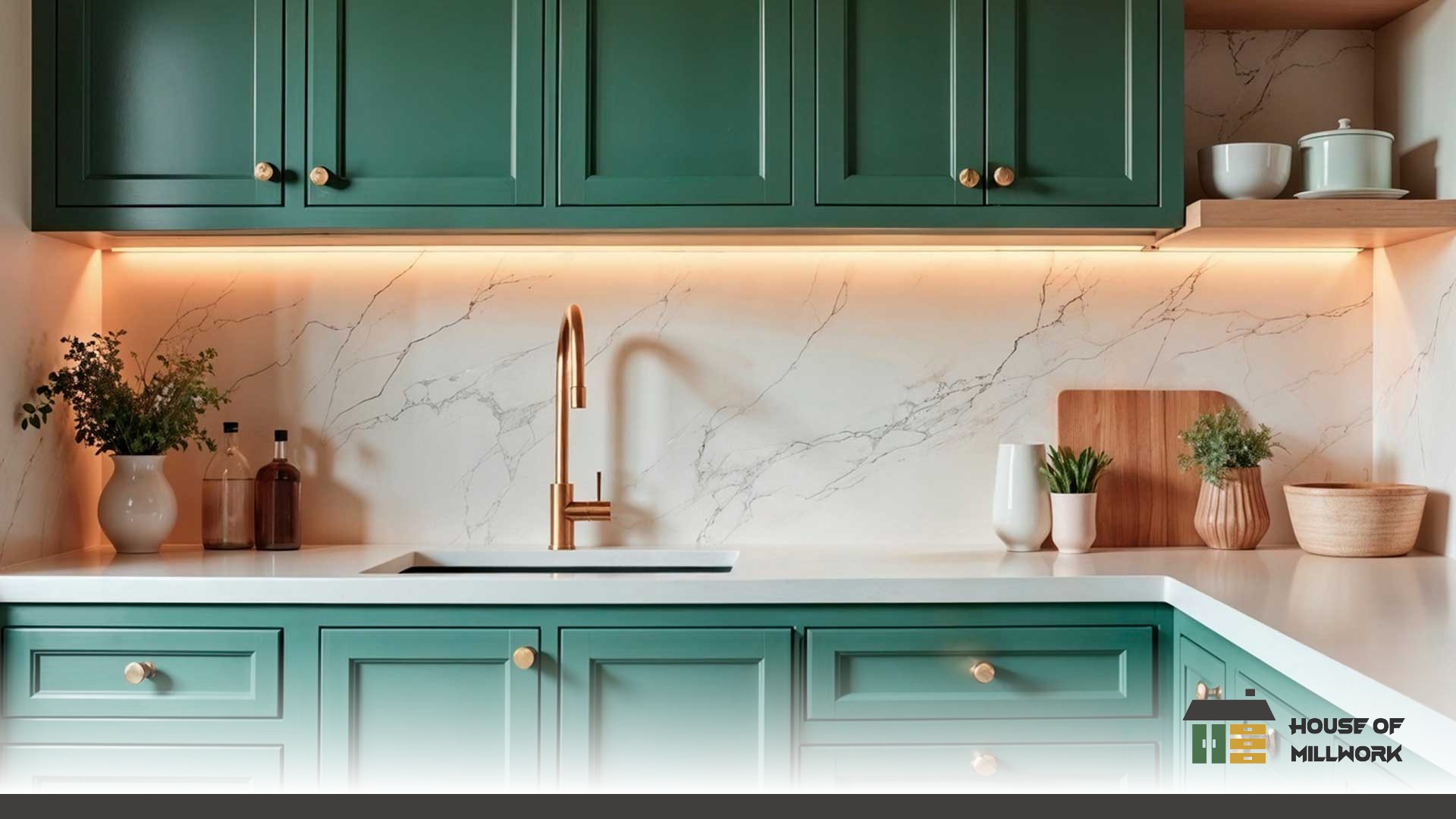
Accurate kitchen measurements are the foundation of any successful cabinet installation. Whether you’re opting for custom cabinetry, shaker style doors, or contemporary modern fronts, precise dimensions ensure your cabinets fit perfectly, function flawlessly, and integrate seamlessly with your kitchen’s layout.
Inaccurate measurements can lead to costly delays, poorly fitting plywood cabinet boxes, and even damage during installation. For homeowners on Vancouver Island, especially in Nanaimo, factors such as older homes with uneven walls or niche design preferences require detailed measuring practices to achieve a tailored look. Accurate measurements also aid in selecting fixtures, appliances, and quartz countertops that complement your cabinetry, providing a harmonious kitchen environment.
At House of Millwork, we combine these measurements with 3D design and expert craftsmanship—featuring dovetail drawers, soft-close hinges, and premium materials—to ensure every project matches your vision and space.
Essential Tools for Measuring Your Kitchen
Before starting, gather the right tools to simplify the process and enhance precision:
- Tape Measure: A sturdy 25-ft tape measure is ideal for most kitchen spaces.
- Laser Distance Measurer: For quick and accurate wall and ceiling heights, especially in large or complex layouts.
- Spirit Level or Laser Level: To check wall flatness and cabinet alignment—critical for shaker or modern-style cabinets where gaps are more visible.
- Graph Paper or Printable Checklist: Helps you capture and organise your measurements systematically.
- Pencil and Eraser: For notes and corrections directly on the checklist or floor plans.
- Camera or Smartphone: Take photos of obstacles, electrical outlets, plumbing, or any unusual wall features for further reference.
Having these tools ready will smooth the measuring phase, reducing errors and enabling your cabinet maker or installer to understand your kitchen’s unique conditions.
Step by Step Guide to Measuring Your Kitchen
Measuring the Walls and Floor Space
Start with the basic parameters of your kitchen. Measure the length of each wall from corner to corner, recording measurements at floor and ceiling levels to check for any discrepancies or unevenness.
- Measure the width and length of the floor space—this helps plan base cabinet placements and walkways.
- Note ceiling height, especially if you’re considering tall pantry cabinets or wall-hung cabinetry.
- Mark any irregular wall angles or slopes, which are common in older Nanaimo homes.
- Double-check all measurements to ensure accuracy.
Measuring Windows, Doors, and Other Obstacles
Windows, doors, bulkheads, vents, and other openings impact cabinet layout significantly. Record their sizes and placement from the floor and each adjacent wall.
- Measure window height, width, and distance from the floor.
- Document door widths and swing directions.
- Identify soffits or dropped ceilings—these areas may limit cabinet height.
- Note any radiators or built-in appliances that affect cabinet design.
Noting Electrical Outlets and Plumbing Locations
Electrical and plumbing features are critical when positioning base cabinets, vanities, and quartz countertops. Ensure you note exact placement details to avoid clashes during installation.
- Measure distances of outlets and switches from the floor and nearest walls.
- Mark plumbing lines for sinks and dishwashers, including pipe heights and protrusions.
- Take photos showing the fixtures in context to better communicate with your cabinet maker.
These details allow for accurate cutouts and integrations within the plywood cabinet boxes or RTA components.
Using the Printable Checklist
Tips on Completing Your Measurements
While measuring, keep these pointers in mind for the most reliable results:
- Write legible and organized notes on your checklist immediately after each measurement.
- Take double measurements for critical walls and dimensions.
- Note shapes and obstacles using simple sketches for clarity.
- If you find inconsistent measurements suggesting out-of-square walls, note these carefully.
- For dishwasher and refrigerator width, use the actual appliance model specs whenever possible.
- Keep your camera handy to document tricky areas or details like plumbing shut-offs and electrical panels.
How to Share Your Measurements with Your Cabinet Maker
Once your checklist is complete, share it with your cabinet installer or custom cabinet maker at House of Millwork. Digital photos, sketches, and annotated scans of your checklist are especially useful. If possible, schedule an onsite measurement appointment where an expert can verify your figures and propose design adjustments. This step is critical when planning for:
- 3D kitchen design models tailored to your space and style.
- Integrating shaker or modern cabinet fronts and quartz countertops.
- Ensuring the plumbing details and electrical outlets align with cabinet installations, including vanity builds.
- Flat-pack RTA components or fully custom plywood cabinet boxes with dovetail drawer joins and soft-close hardware.
Local Considerations for Nanaimo and Vancouver Island Homes
Homes around Vancouver Island often feature unique architectural quirks, such as uneven walls, legacy plumbing, or custom ceiling heights. These factors require precise on-site measurements and sometimes tailored cabinetry—qualities present in our Nanaimo cabinetry service. Weather and humidity conditions here also influence materials choice; plywood cabinet boxes with durable finishes and proper sealing are preferred over particleboard to extend life and appearance. Our team ensures local conditions are factored into every design and installation, from shaker style doors to quartz countertop templating.
Frequently Asked Questions
What is the difference between plywood cabinet boxes and particleboard?
Plywood cabinet boxes, commonly used in custom cabinetry on Vancouver Island, offer greater durability and moisture resistance compared to particleboard. This results in longer-lasting cabinets, particularly suitable for kitchens and vanities in Nanaimo’s climate.
Should I choose shaker doors or slab modern fronts for my kitchen?
Shaker doors provide a timeless, versatile look fitting many design styles, while slab modern fronts offer a sleek, minimalist aesthetic. Your choice depends on personal taste and the overall style of your home; however, both options can be expertly crafted by House of Millwork’s team.
What are soft-close hinges and dovetail drawer construction?
Soft-close hinges gently and quietly close cabinet doors, preventing slamming and prolonging hardware life. Dovetail drawer construction involves interlocking wood joints for enhanced drawer strength and durability, commonly included in quality custom cabinetry.
How long does quartz countertop templating and installation take on Vancouver Island?
Templating typically requires an onsite visit after cabinets are installed and can take a few hours. Installation of quartz countertops usually follows within 1-2 weeks, depending on local fabrication schedules and material availability.
Can I retrofit existing kitchens using this measuring checklist?
Yes, the checklist is flexible for both retrofit renovations and new builds, ensuring your measurement data suits the scope of your project.