Electrical and Plumbing Considerations Before Cabinet Installation
24 February, 2026
Moisture-Resistant Cabinet Solutions for Basements and Suites
26 February, 2026
Backsplash and Countertop Templating: Sequencing Your Trades
Backsplash and countertop templating is one of the most critical phases in any kitchen or vanity renovation. Whether you’re installing custom cabinetry, RTA/flat‑pack boxes, shaker doors, or modern slab fronts, the sequence of trades determines how smoothly your project progresses. At House of Millwork, we see the same pattern across Nanaimo and Vancouver Island renovations: the success of your backsplash and countertop installation depends on precise measurements, stable cabinetry, and strong coordination between cabinet installers, electricians, plumbers, and countertop fabricators.
Understanding the Importance of Proper Sequencing
Why Proper Trade Sequencing Matters in Millwork
Proper sequencing ensures that countertop templating is accurate, cabinetry is level, and backsplash materials fit flawlessly. Because quartz countertop fabricators rely on precise wall and cabinetry measurements, even small deviations—such as unlevelled cabinets or incomplete plumbing rough‑ins—can delay fabrication. Once a countertop template is created, fabrication typically begins immediately, leaving little room for after-the-fact adjustments. This is why experienced cabinet installers use laser levels, shims, and scribing techniques to achieve stable 5/8‑inch plywood cabinet boxes ready for templating.
Correct sequencing reduces:
- Measurement errors during templating
- Costly rework to cabinets or quartz surfaces
- Schedule delays between trades
- Conflicts between electrical, plumbing, and backsplash installation
Common Challenges with Backplash and Countertop Installation
Backsplash and countertop installations often face predictable issues. Cabinets may not be level enough for fabrication tolerances, or rough‑ins may be misplaced relative to the final cabinet layout. For projects using panel‑ready appliances or large undermount sinks, even millimetres matter. Adjustments after templating can add days or weeks, depending on fabricator workload.
Some of the most common challenges include:
- Unsecured or uneven cabinets causing inaccurate countertop templates
- Electrical outlets positioned too low or too high for backsplash tile layouts
- Plumbing supply or drain lines not aligned with vanity cabinetry
- Backsplash tile thickness unaccounted for in upper cabinet height
- Improperly sequenced site visits that require rescheduling trades
Step by Step Sequencing for Backplash and Countertop Templating
Initial Preparation and Measurement
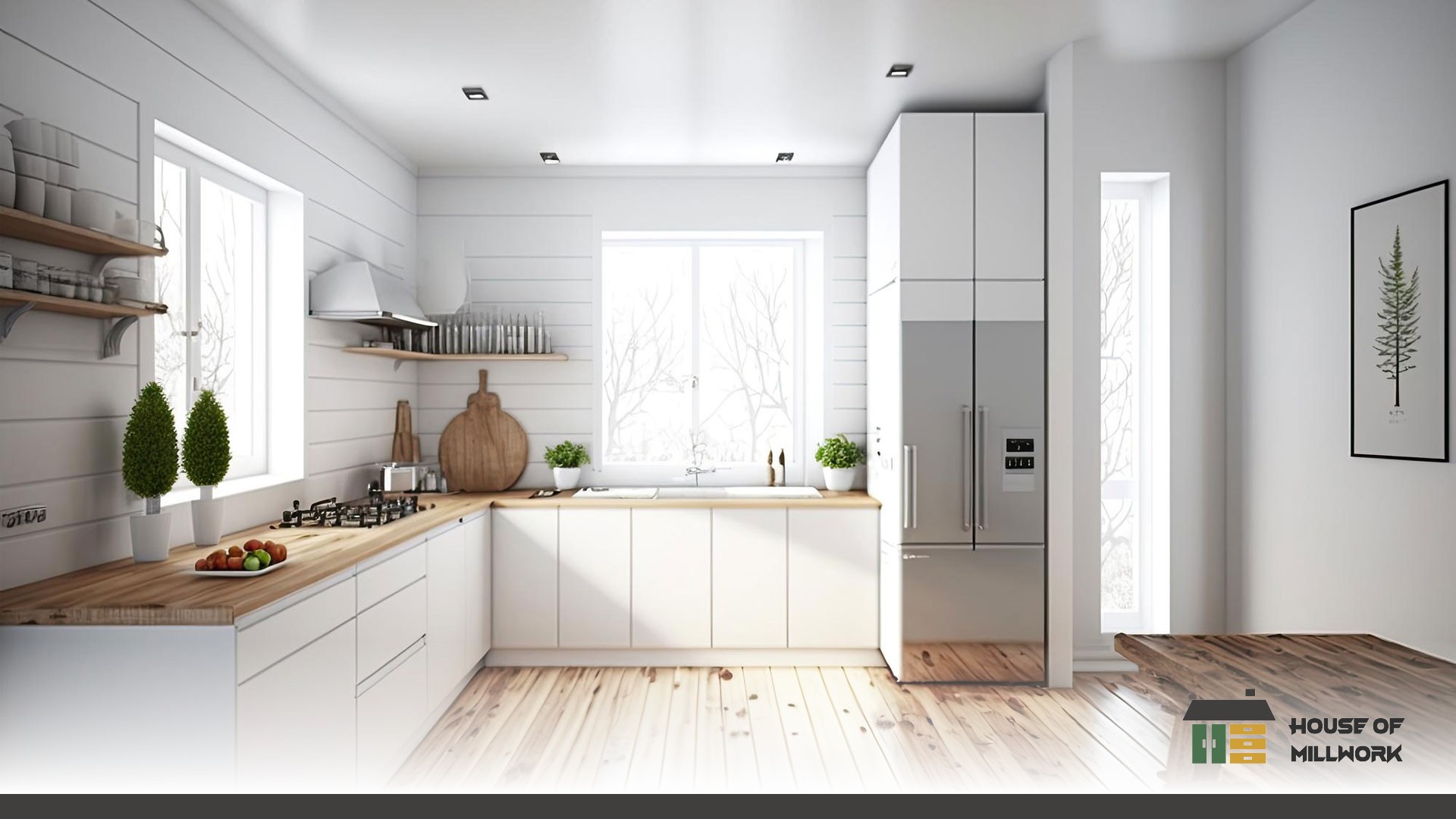
Accurate preparation begins with cabinetry. Before any countertop templating is booked, all base cabinets must be fully installed, levelled, and anchored securely to wall studs. At House of Millwork, we use 5/8‑inch plywood cabinet boxes, soft‑close hardware, and dovetail drawers, all of which rely on perfect alignment to function properly. This same precision supports accurate templating.
Initial preparation includes:
- Finalizing cabinetry layout through 3D design
- Confirming appliance specs, sink models, and faucet choices
- Leveling cabinets along laser guidelines
- Installing panels, fillers, and support brackets
- Ensuring walls are plumb enough for templating accuracy
Scheduling Trades: Cabinetry, Electrical, Plumbing, and Templating
Renovations on Vancouver Island follow a general sequence, with minor variations based on the contractor and supplier schedule. Once cabinetry is installed, the trades need to be sequenced methodically to avoid miscommunication or wasted site visits.
A typical schedule looks like this:
- Step 1: Install cabinetry (base units fully secured)
- Step 2: Adjust electrical rough‑ins and outlet boxes to match cabinet layout
- Step 3: Align plumbing rough‑ins with undermount sinks or vanities
- Step 4: Countertop templating (requires clear, accessible workspace)
- Step 5: Fabrication (often 1–3 weeks depending on quartz supplier)
- Step 6: Countertop installation
- Step 7: Backsplash installation—usually after countertop placement
- Step 8: Final plumbing and final electrical
Because templates are precise, any post‑templating adjustment to cabinets can invalidate the measurement. This is why the cabinetry stage must be fully complete—no loose panels, missing fillers, or uninstalled end gables.
Coordination Between Trades to Avoid Delays
Renovation delays usually occur when one trade finishes before another is ready. Good communication and a shared schedule eliminate downtime. Homeowners can help by designating a single project lead—whether that’s the general contractor or cabinet installer—to coordinate timelines with countertop fabricators, tile setters, electricians, and plumbers.
Some industry best practices include:
- Booking templating only once cabinetry is confirmed level
- Ensuring electricians install backing and outlet boxes at correct heights
- Confirming sink placement before templating day
- Providing clear access for the templating technician
- Checking walls for obstructions that could interfere with tile layout
Local Considerations for Nanaimo and Vancouver Island
Climate and Material Selection
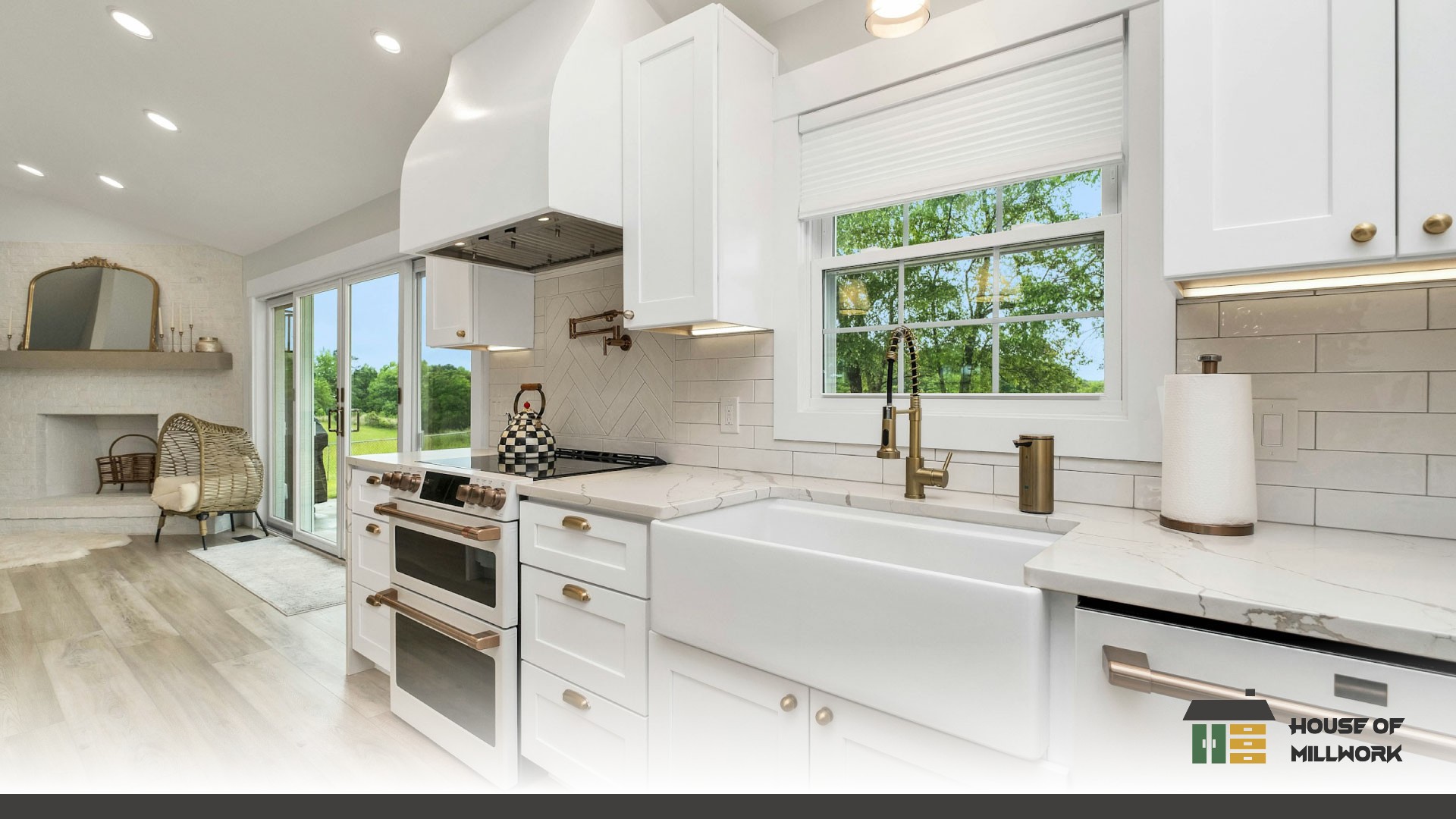
On Vancouver Island, humidity and seasonal temperature shifts can subtly influence building materials. High‑quality materials like 5/8‑inch plywood cabinet boxes are more dimensionally stable than particleboard, making them ideal for coastal environments. Quartz countertops are also a popular choice locally due to their durability, low maintenance, and resistance to moisture and staining.
Backsplash materials commonly selected by homeowners across Nanaimo and surrounding communities include:
- Ceramic and porcelain tiles
- Quartz slabs or quartz backsplash returns
- Textured or matte tiles for modern coastal kitchens
- Classic subway tile for shaker‑style cabinetry
Working with Local Contractors and Suppliers
Nanaimo and Vancouver Island rely on a network of specialized trades: cabinet installers, quartz fabricators, tile setters, and licensed plumbers and electricians. Working with local suppliers often shortens lead time, especially for quartz fabrication and cabinet components. House of Millwork collaborates closely with regional partners, ensuring material availability and predictable installation windows whenever possible.
Best Practices and Expert Tips
Ensuring Accuracy in Measurements and Templates
Accuracy starts with the cabinets and ends with the countertop installation. For templating to be precise, cabinet installers must verify levelness horizontally and vertically, and they must ensure all fasteners, fillers, and panels are in place. Large sinks, full‑height backsplashes, and waterfall edges require even more attention to the slightest variation.
Expert tips include:
- Always confirm appliance cut‑sheets before finalizing cabinet design
- Use laser leveling instead of manual bubble levels whenever possible
- Verify that walls are structurally ready for tile thickness and adhesive
- Check sink reveal preferences (zero, positive, negative) before templating
- Account for tile thickness when mounting under‑cabinet lighting
Communication Strategies Between Homeowners, Builders, and Designers
Clear communication is the foundation of any successful renovation. With multiple trades working in sequence, homeowners should maintain a centralized communication channel—email threads, shared documents, or project management apps—to track deadlines and site readiness.
Effective strategies include:
- Providing all trades with the same 3D drawings and cabinet layouts
- Confirming material selections early to avoid ordering delays
- Reviewing trade sequencing at least one week before templating
- Updating all contractors if any design change occurs
FAQs
When should countertop templating be scheduled during renovation?
Countertop templating is best scheduled after cabinetry installation but before final electrical and plumbing fixtures are completed to ensure accuracy and fit.
How can I avoid delays between trades?
Clear communication and a detailed timeline shared among all trades help prevent scheduling conflicts and delays.
What materials work best for Vancouver Island countertops and backsplashes?
Durable materials like quartz and ceramic tiles are well suited to Vancouver Island’s climate and homeowner preferences.
Can multiple trades work simultaneously during templating?
While some work can overlap, most templating requires clear space for precise measurements, so sequencing is critical.
Frequently Asked Questions
Q1
A1
Q2
A2
Q3
A3
Q4
A4