
Backsplash and Countertop Templating: Sequencing Your Trades
25 February, 2026
Rental Suite Kitchens in Nanaimo: Durable, Affordable, Attractive
27 February, 2026
Moisture-Resistant Cabinet Solutions for Basements and Suites
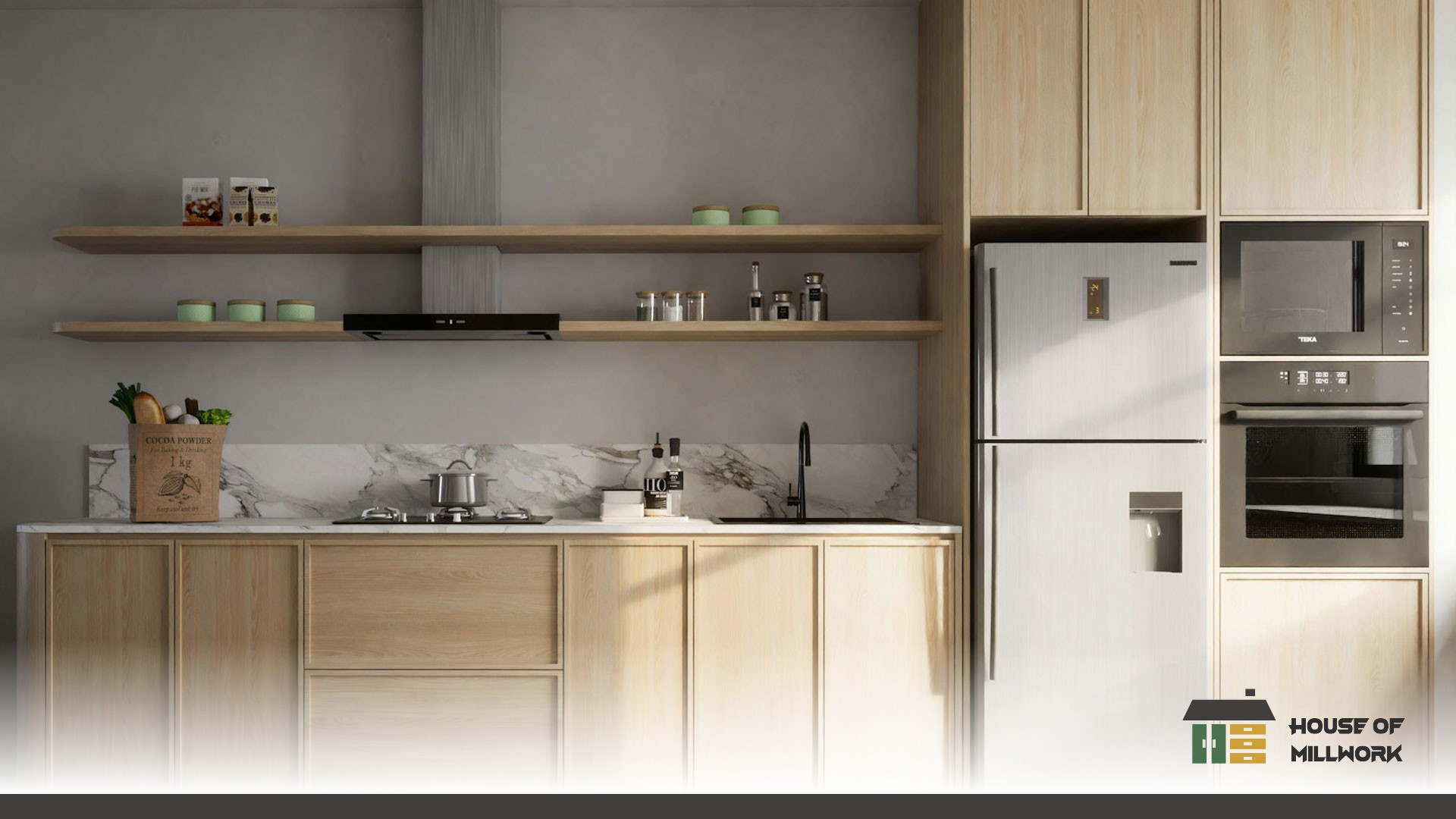
Basements and secondary suites across Nanaimo and Vancouver Island often experience elevated humidity, seasonal dampness, and temperature fluctuations. These conditions require cabinetry designed with durability, stability, and moisture resistance in mind. Homeowners upgrading a basement kitchen, suite kitchenette, bathroom vanity, or storage area benefit from custom millwork built using the right materials, finishes, hardware, and installation techniques.
Why Moisture Resistance Matters in Basements and Suites
Common Moisture Challenges in Nanaimo Homes
Basements in coastal communities such as Nanaimo, Parksville, and Ladysmith often face moisture concerns due to the region’s climate. Heavy rainfall, cool winters, limited basement ventilation, and underground construction contribute to higher humidity levels. Secondary suites also frequently house bathrooms, laundry machines, and compact kitchens—spaces where steam and condensation are common.
Typical moisture challenges include:
- Condensation on walls and flooring from temperature differences
- Humidity buildup in small basement kitchens and bathrooms
- Dampness in below-grade rooms during winter months
- Water penetration from older foundations or plumbing leaks
- Limited natural airflow and reduced sunlight exposure
Cabinetry installed in these environments must be engineered with features that prevent swelling, warping, delamination, and mould growth.
Impact of Moisture on Cabinet Durability
Standard cabinetry materials are not always suitable for basements. Particleboard or low-density fibreboard can swell when exposed to moisture, leading to misaligned doors, binding drawers, and weakened cabinet boxes. Even solid wood can expand or contract when humidity changes rapidly.
Moisture can affect durability in multiple ways:
- Warping of doors and face frames, especially in slab or shaker panels
- Delamination of laminate or thermofoil when adhesion weakens
- Corrosion of hardware not designed for humid environments
- Deterioration of cabinet bases in contact with damp flooring
- Shortened lifespan and greater maintenance requirements
Moisture-resistant cabinet solutions provide stability and longevity by ensuring materials and construction methods withstand these conditions.
Choosing the Right Moisture Resistant Materials
Popular Materials and Finishes for Moisture Resistance
House of Millwork uses high-performance, moisture-tolerant materials when designing cabinetry for basements and suites. These options maintain structural integrity even when exposed to humidity or occasional water contact.
- Marine-grade plywood for strong, stable cabinet boxes
- Moisture-resistant MDF for painted shaker or slab doors
- PVC-wrapped, thermofoil, or acrylic door finishes for enhanced moisture blocking
- High-pressure laminate for utility rooms or budget-friendly suite kitchens
- Polyurethane or conversion varnish finishes to seal wood surfaces
- Stainless steel or moisture-rated soft-close hardware
These materials help ensure that cabinets in below-grade locations remain durable and attractive for years.
Benefits of Custom Millwork for Wet Areas
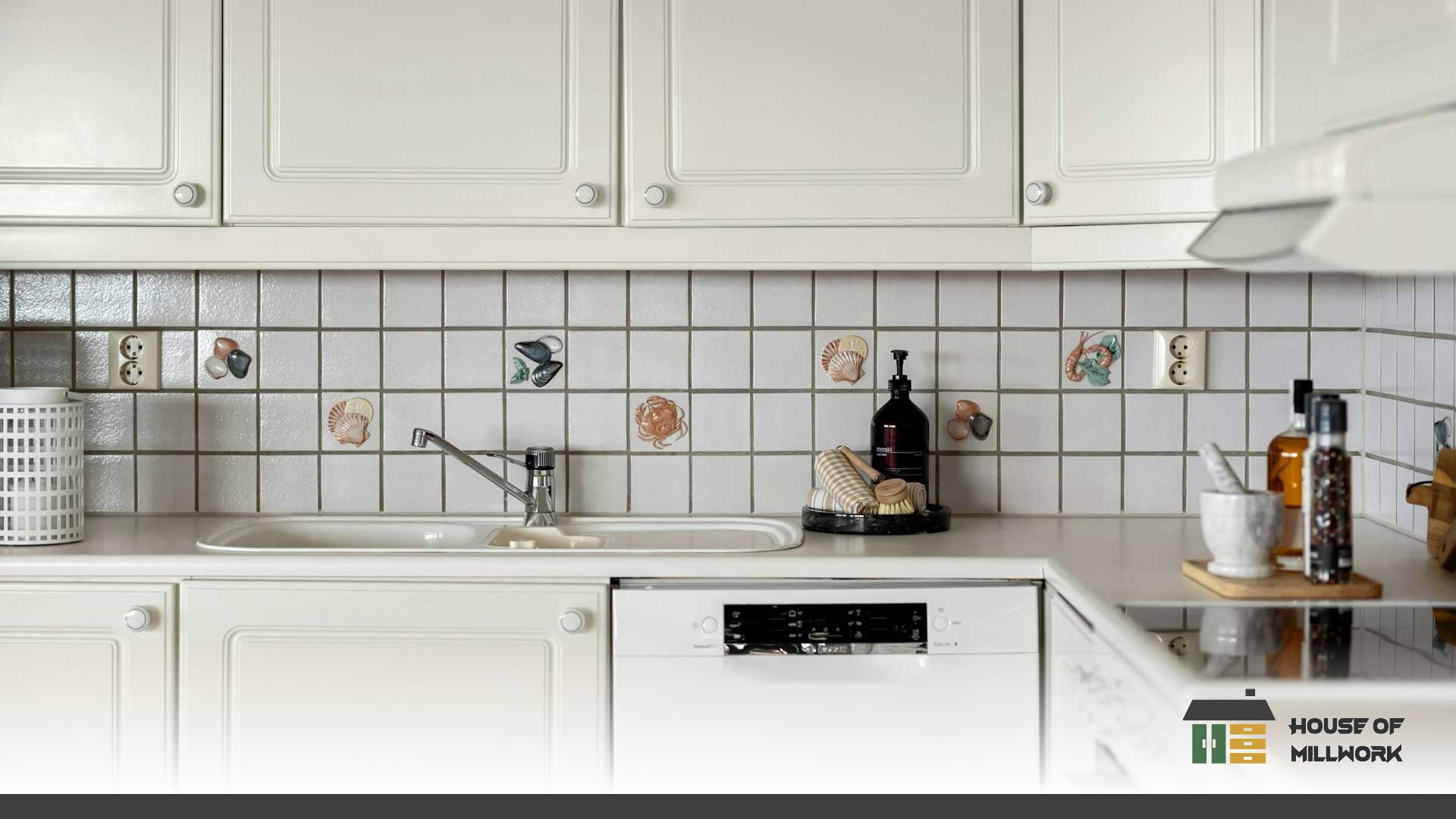
Custom millwork provides advantages beyond material selection. Each cabinet is crafted to fit the space precisely, reducing gaps where moisture can accumulate. House of Millwork designs and builds cabinetry using:
- 5/8-inch or 3/4-inch plywood cabinet boxes for superior rigidity
- Dovetail drawer construction for long-term stability
- Soft-close hinges and slides designed for humid environments
- Sealed edges and moisture-blocking coatings on vulnerable surfaces
- Raised cabinet bases or water-resistant toe-kicks for added protection
Because every project is measured and designed in-house, these details are built into the final product, ensuring better protection against moisture-related wear.
Designing Cabinets for Basements and Secondary Suites
Space Optimization Strategies
Basements and suites often have compact layouts or unusual dimensions. Custom cabinets maximize functional storage even in tight or awkward spaces. During planning, House of Millwork uses on-site measurements, laser scanning, and 3D design tools to tailor every component.
Key strategies include:
- Tall pantry units for narrow kitchens
- Corner solutions such as LeMans pullouts or lazy Susans
- Compact vanity designs for small bathrooms
- Wall-mounted or floating cabinets to keep floors clear of moisture
- Integrated laundry cabinets for suite washer–dryer setups
- RTA/flat-pack cabinetry options for tight stairwells or limited access points
Efficient use of space improves livability and supports the value of secondary suites used for tenants or family members.
Style Options That Complement Basement and Suite Interiors
Even in moisture-prone environments, homeowners have a wide range of design choices. Moisture-resistant cabinetry can be crafted in modern slab profiles, classic shaker styles, or transitional designs.
Popular finish options include:
- Water-resistant matte or satin paints for shaker doors
- Wood-look laminates for warm, budget-friendly finishes
- Acrylic high-gloss fronts for modern basement suites
- Quartz countertops for durability and non-porous performance
- Integrated pulls or minimalist hardware to suit small rooms
Whether the goal is rental-friendly functionality or a polished basement renovation, the design can be tailored to suit the overall aesthetic.
Installation and Maintenance Tips
Proper Installation Techniques to Prevent Moisture Damage
Even the best cabinetry materials require proper installation to ensure performance in damp environments. House of Millwork’s installation team uses techniques that reduce moisture exposure and maximize structural support:
- Laser-levelled installation to ensure precise alignment
- Scribing bases and fillers tightly to uneven basement walls
- Using moisture-resistant shims and backer material
- Raising cabinets slightly off concrete floors to prevent contact with damp surfaces
- Sealing seams, penetrations, and sink bases to block moisture entry
- Ensuring adequate airflow around appliances such as dishwashers and laundry pairs
These practices significantly reduce the risk of swelling, mould, or structural weakening over time.
Maintenance Practices to Extend Cabinet Life
Moisture-resistant cabinets benefit from simple maintenance routines that keep them looking and functioning their best. Homeowners can follow these steps:
- Wipe spills promptly to prevent standing moisture
- Use bathroom fans and kitchen range hoods to reduce humidity
- Check sink bases every few months for plumbing drips
- Clean hardware periodically to prevent mineral buildup
- Inspect silicone seals and replace as needed
- Perform a general cabinet check every 6–12 months
Consistent care helps maintain the integrity of hinges, slides, doors, and drawer boxes.
Why Choose House of Millwork in Nanaimo and Vancouver Island
Local Expertise and Custom Solutions
House of Millwork specializes in cabinetry designed to perform well in the unique climate conditions of Vancouver Island. With experience in basement suites, rental units, and multi-generational living spaces, the team understands how to create durable, moisture-resistant solutions tailored to each home. Every project receives custom measurement, local craftsmanship, and detailed 3D design previews.
Quality Craftsmanship and Warranty
Cabinets are built using premium materials, including plywood boxes, dovetail drawers, soft-close hardware, and moisture-resistant finishes. All work is completed by skilled local craftspeople, and installation is available throughout Nanaimo and the Island. Warranty coverage varies by material and hardware brand but is designed to protect homeowners with long-lasting support.
FAQs
What materials are best for moisture resistant cabinets?
Materials like marine plywood, PVC laminates, and moisture-resistant MDF are ideal for these environments.
Can these cabinets withstand high humidity in basements?
Yes, designed products use special finishes and materials to resist humidity and prevent warping.
Do you offer custom designs for small basement spaces?
Absolutely, we specialize in tailored millwork that maximizes space and functionality.
How often should moisture resistant cabinets be maintained?
Regular cleaning and inspection every 6 to 12 months help maintain their condition.
Is installation available across Vancouver Island?
Yes, House of Millwork provides professional installation services throughout Nanaimo and the entire Vancouver Island region.
Frequently Asked Questions
What cabinet materials perform best in damp or humid basement conditions?
Moisture-resistant MDF, marine-grade plywood, and sealed laminate finishes perform well in basements. These materials resist swelling and warping better than standard particleboard and offer superior longevity.
How do you measure and design cabinets for tight basement suites?
We complete on-site measurements using laser-level equipment, document all obstructions, and create a 3D design to show cabinet layout, clearances, and appliance placement before fabrication.
Are shaker doors appropriate for high-moisture spaces?
Yes, provided they are made with moisture-resistant MDF and sealed with high-quality paint or catalyzed lacquer. This prevents panel movement and finish cracking.
What hardware should be used for basement cabinets?
Soft-close hinges and slides with corrosion-resistant coatings are ideal. Dovetail drawer boxes and under-mount slides also add stability in humid environments.
