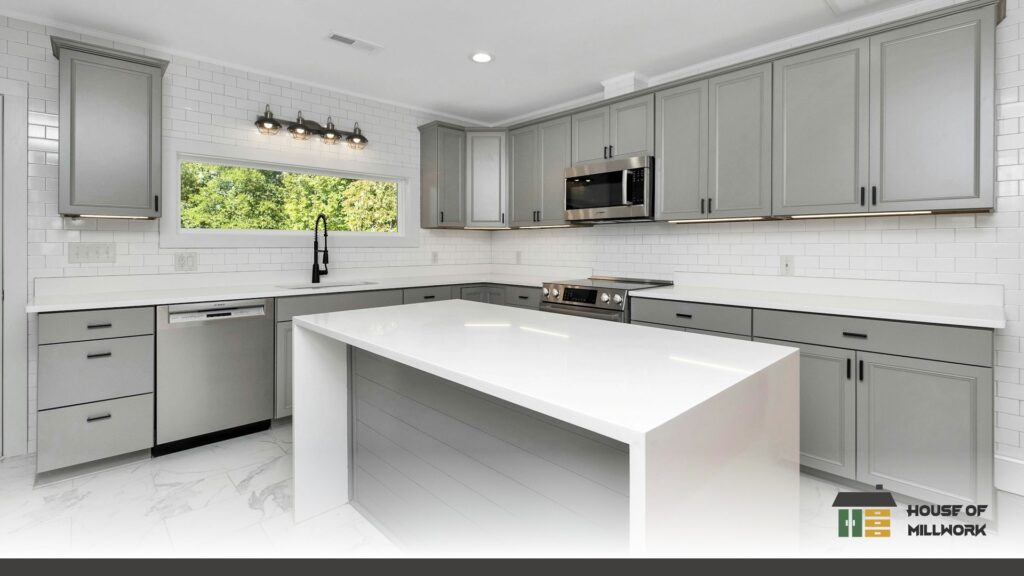
Family-Friendly Kitchens: Durable Finishes and Kid-Safe Layouts
21 December, 2025
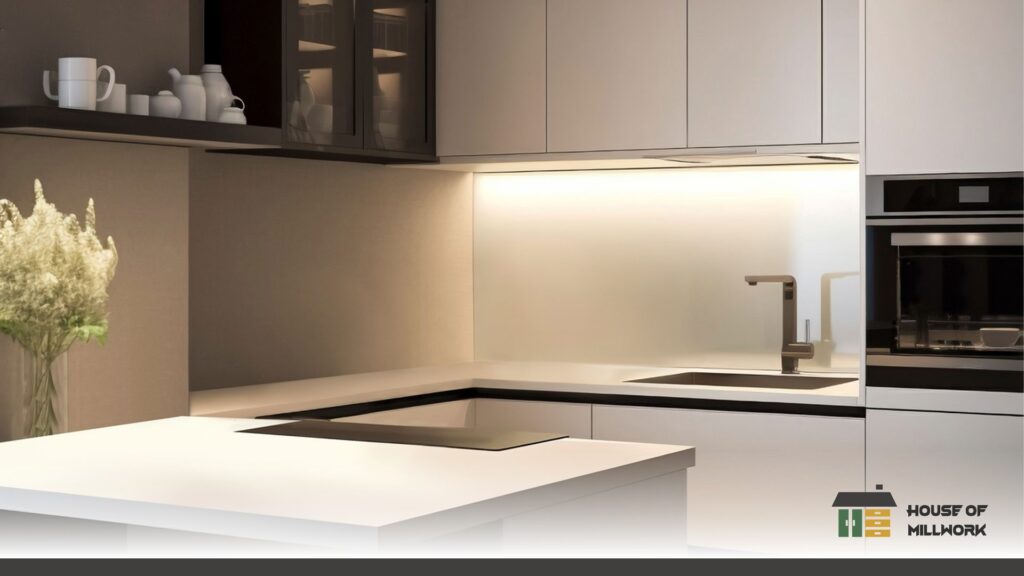
Coastal Humidity and Wood Movement: How Plywood Cabinets Stay True
23 December, 2025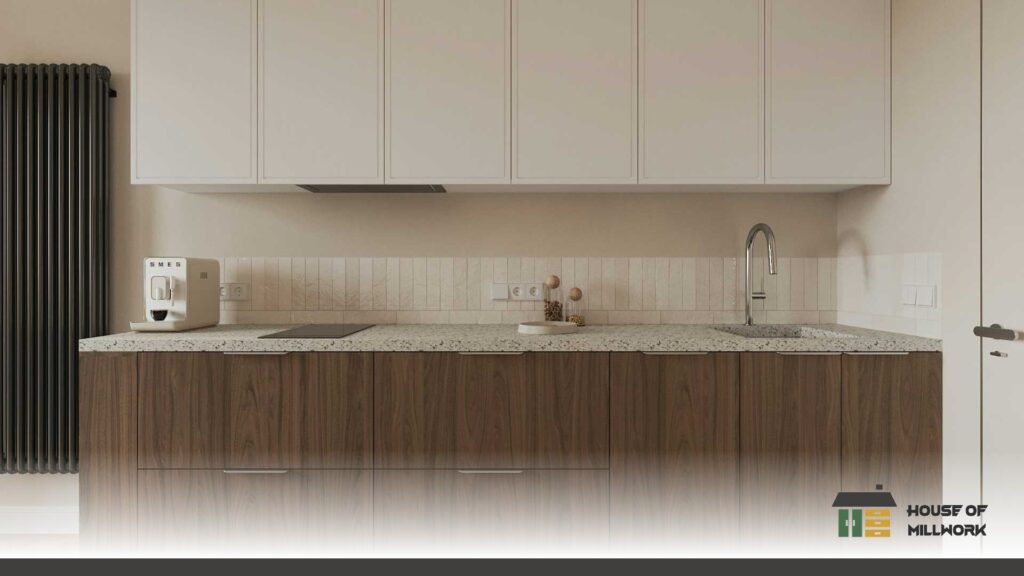
Aging-in-Place Kitchens: Accessible Cabinet Solutions for BC Homes
Aging-in-place kitchen design is becoming increasingly important across British Columbia as more homeowners plan for long-term independence, comfort, and safety. Thoughtfully designed custom cabinetry plays a central role in making a kitchen functional for all stages of life. At House of Millwork, we work with homeowners, designers, and builders throughout Nanaimo and Vancouver Island to create accessible, durable, and beautiful cabinetry tailored to unique mobility and ergonomic needs. This article explores the essential features, materials, and practices involved in crafting aging-in-place kitchens using high‑quality custom cabinet solutions.

Understanding Aging-in-Place in Kitchen Design
What is Aging-in-Place?
Aging-in-place refers to the concept of remaining in one’s home comfortably and safely as mobility, dexterity, or strength may change over time. In the kitchen, this means planning for accessible work zones, minimizing strain, and ensuring that cabinets, appliances, and surfaces are easy to reach and operate. Instead of redesigning later, accessible cabinetry allows a homeowner to retain independence while enjoying a stylish, modern kitchen built for long-term flexibility.
Importance of Accessibility in Kitchens
Kitchens are among the most frequently used and physically demanding spaces in any home. Proper cabinet design reduces bending, reaching, twisting, and lifting. Accessibility also enhances:
- Safety, by reducing tripping and overreaching hazards
- Efficiency, by placing everyday items within comfortable reach
- Comfort, through ergonomic heights and easy-to-operate mechanisms
- Adaptability, allowing modifications as needs change
For BC homeowners, integrating accessible features early ensures the kitchen remains functional through different life stages without sacrificing style.
Key Features of Accessible Cabinetry
Cabinet Height and Reachability
Age-friendly kitchens prioritize reachability. Upper cabinets are often lowered slightly or replaced with open shelving to bring stored items closer to hand. Base cabinets can be modified with pull-out components to avoid bending. A working height between 36 and 42 inches is commonly recommended for comfort, though each installation is tailored based on the homeowner’s ergonomic needs, wheelchair considerations, or household preferences.
Pull-Out Shelves and Drawers
Pull-out shelves and full-extension drawers are essential features in aging-in-place cabinetry. Instead of reaching into deep cabinets, users can access stored items with a smooth gliding motion. House of Millwork typically constructs drawers using dovetail joinery with soft-close, full-extension hardware for durability and safety. Pull-outs can be added to base cabinets, pantry towers, and corner units, maximizing storage while keeping everything visible and easy to reach.
Soft-Close and Easy-Open Mechanisms
Soft-close hinges, drawer slides, and easy-open hardware reduce strain on wrists and shoulders. Cabinet doors and drawers require less force to operate, preventing slamming and enhancing safety. Lever-style handles and larger pulls are also helpful for those with arthritis or reduced hand strength. These features are standard across most modern accessible kitchens and seamlessly integrate with both shaker and slab-style doors.

Materials and Finishes Ideal for Accessible Cabinets
Durability and Maintenance
Accessible kitchens benefit from low-maintenance, high-durability materials. House of Millwork typically builds cabinet boxes using 5/8‑inch or thicker plywood for longevity and rigidity. Plywood performs well in BC’s coastal climate where humidity changes are common. Doors can be built from solid wood or MDF, depending on the chosen style and finish. Smooth, easy-to-clean surfaces prevent buildup and simplify daily maintenance.
Non-Slip and Easy-Grip Hardware
Hardware selection significantly affects accessibility. Non-slip finishes, textured pulls, and ergonomic handles help users maintain grip with minimal effort. Matte finishes reduce visual glare, which can also improve visibility. Larger, D‑shaped pulls are often preferred over small knobs in aging-in-place kitchens. Hardware choices can enhance both safety and aesthetics, complementing everything from traditional shaker cabinetry to contemporary slab fronts.
Custom Millwork Solutions in Nanaimo and Vancouver Island
Local Design Considerations
BC homeowners often have unique design needs based on home layout, climate, or renovation constraints. Coastal homes in Nanaimo and Vancouver Island sometimes require moisture-resistant materials, more robust finishes, or built-in ventilation considerations. Custom millwork ensures every feature is measured and built to fit, whether it’s an older character home or a modern new-build. Our 3D design process helps homeowners visualize cabinet height, reachability, pathways, and appliance placement before any construction begins.
Working with Builders and Designers
Accessible kitchen projects often involve collaboration between cabinet makers, builders, designers, and occupational therapists. House of Millwork works closely with local partners to ensure accurate measurements, thoughtful layout planning, and smooth installation. Coordinating appliance specs, quartz countertop templating, lighting placement, and electrical requirements ensures the final kitchen is cohesive, ergonomic, and fully accessible.

Installation and Remodeling Tips
Maximizing Space and Functionality
Efficient planning is essential in aging-in-place kitchen remodels. Key approaches include:
- Ensuring 36‑inch or wider pathways for mobility aids
- Incorporating pull-out pantries or vertical storage for visibility
- Adding under-cabinet lighting for improved task illumination
- Selecting quartz countertops for low maintenance and easy cleaning
- Choosing appliance panel-ready fronts for a consistent look without raising accessibility barriers
Laser-level installation ensures that cabinets are straight, secure, and properly aligned, contributing to safer daily use.
Budgeting for Accessible Upgrades
Costs for accessible cabinetry vary depending on material selection, hardware upgrades, cabinet modifications, and the overall project scope. Custom millwork often carries a higher initial investment than prefabricated options, but the long-term benefits include increased durability, tailored functionality, and reduced need for future renovations. Labour, finishing, and quartz countertop installation also influence the final budget. Many homeowners choose to prioritize key accessible features first, then expand upgrades as needed.
FAQs
What is the best cabinet height for aging-in-place kitchens?
Generally, cabinets should be installed between 36 and 42 inches high to maximize reachability and comfort.
How can pull-out shelves improve usability?
Pull-out shelves provide easier access to stored items, reducing the need to bend or reach deep into cabinets.
Are accessible cabinets more expensive than standard ones?
Costs vary but custom accessible solutions may have a higher initial price offset by long-term usability benefits.
Can accessible cabinetry be stylish and modern?
Yes, designs can be both functional and aesthetically pleasing to match any kitchen style.